
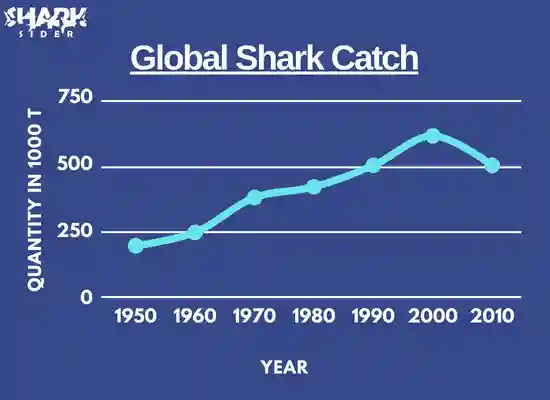
Sharks have been swimming in Earth’s oceans since before the time of the dinosaurs. In recent years however, they have face rapid population declines and most shark species are considered in danger of extinction. There have been several shark conservation efforts over the years, but not enough to protect these vulnerable species. In fact, most conservation efforts do not address the myriad of threats to shark populations. So in order to help curb the threat, shark lovers need to understand all the dangers facing sharks, so that they can support efforts that can help protect these species from extinction.
Why Sharks Are Crucial To The Ocean’s Ecosystem
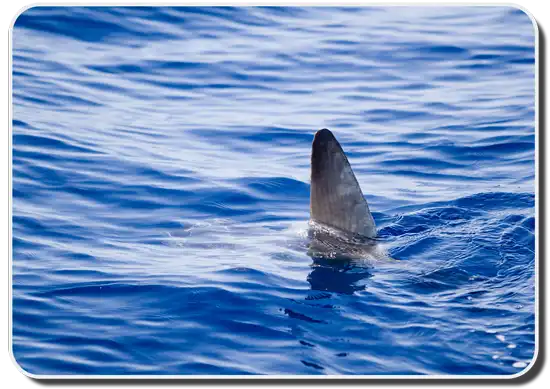
Sharks are a crucial part of the ocean’s ecosystem. As the apex predator, sharks keep the marine food chain in balance. Without sharks other predatory fish and marine animals will thrive, which will deplete the amount of food fishes. Without these food fishes, algae and other plants will thrive causing coral reefs to disappear and making the water toxic for all live. Furthermore, sharks are integral to the carbon cycle and if they vanish, the carbon loading of the atmosphere will increase, causing untold damage from global warming. So it is vital that we protect these species in order to protect our oceans, our planet, and even, ourselves.
What Are The Causes Of Shark Population Declines?
There are many factors leading to the decrease in the populations of sharks. Almost all are caused by human activity, so they can be stopped before it is too late. Here are the most damaging causes of shark population decline:
-
- Shark Fishing: An estimated 100 million sharks are killed every year. A majority of these kills are the product of commercial fishing. Sharks are fished for their meat, oils, and cartilage, and used in a range of products. The main cause of shark fishing, however is the popularity of shark fin soup. Shark fin soup is a Chinese delicacy and traditional medicinal food that has boomed in popularity as more Chinese citizens are able to afford it. Shark fin soup has also spread to the west and is a prized menu item at high-end restaurants. So shark fishing has seen a boom in the last decade.
-
- Commercial Fishing: Commercial fishing depletes the ocean of the main food source of most sharks. As humans catch fish for their own food, sharks are left with less choices. The lack of food not only endangers sharks but discourages breeding, because the conditions are not ideal for shark pups to flourish.
-
- Commercial Fishing By-catch: Sharks are also killed as a by-catch from commercial fishing. Sharks are often caught accidentally in fishing nets designed to trap and catch other fish. Other times they are attracted to the panicked fish and will try to swim into the net, getting tangled, caught, and even strangling in the ropes.
-
- Pirate Fishing: Pirate fishing is a type of commercial fishing that occurs without respect to governing authorities. So even in areas where sharks are protected or shark fishing or finning has been banned, pirate fisherman will continue to fish for sharks. Pirate fisherman also have no regard for reasonable catch limits, so they will not report their catches or follow limits. Pirate fishing causes huge depletions of shark species.
-
- Baited Drum Lines: Baited drum lines are used along populous beaches as a measure to deter sharks from entering popular beach areas and prevent shark attacks against humans. Though baited drum lines are supposed to be a safe and ethical deterrent, they have a high kill rate, especially among more vulnerable younger sharks.
-
- Shark Nets: Shark nets are often used in tandem with baited drum lines to protect swimmers. However, like baited drum lines they are not always safe for sharks. Sharks can get trapped in nets, tangled, and strangle. Shark nets worldwide are responsible for the death of countless sharks.
-
- Chemical Pollution: Chemical pollutants, most often from industrial activities, present a serious threat to shark populations. Chemicals like DDT, mercury, and even oil spills, are incredibly toxic for any marine animal, including sharks, and cause severe health problems and death.
-
- Garbage: 14 billion pounds of garbage is dumped in the ocean every single year. This garbage presents a huge threat to sharks that mistake it for sources of food and accidentally consume it. Once consumed, the garbage wreaks havoc on the internal organs of the shark, causing numerous health problems and eventually death.
-
- Habitat Loss: As human populations grow and human activity expands further across the global, sharks are losing their natural habitats to humans. When they lose habitats they not only lose their hunting grounds, but they also lose their mating and nursing grounds making their reproductive numbers decline along with the population numbers.
What Are Some Of The Most Endangered Sharks?
Most species of sharks are endangered to some degree, however some species are critically endangered. These species are facing extinction because of a combination of the threats to their specific habitat and food sources, as well low reproductive rates. Critically endangered sharks include:
- Pondicherry Shark
- Ganges Shark
- Natal Shark
- Daggernose Shark
- Striped Smooth-Hound
- Smalltooth Sawfish
- Sawback Angelshark
- Angel Shark
- Sand Tiger Shark
- Porbeagle
- Spiny Dogfish
All of these species of shark may become extinct in the next few years if we don’t put an end to the threats to their species.
Support Comprehensive Shark Conservation
One of the best ways we can protect shark species from going extinct is to support comprehensive conservation efforts. Rather than just protecting certain species or designating conservation zones, there needs to be efforts made on every level to reduce commercial and pirate fishing, end shark finning, reduce chemical pollution and ocean dumping, and figure out innovative ways for sharks and humans to coexist.
Sharks are endangered because of a myriad of threats from human activities. Since there are so many threats, many sharks species are critically endangered and may become extinct in the next few years. Luckily, all of the threats are from human activities and can be controlled by understanding the range of threats and supporting comprehensive shark conservation efforts. If we all work together, we can save these species and protect the marine ecosystem from collapse.