


Roughly fifty shark species have been recorded in the Gulf of Mexico, and the ones you are most likely to meet are small: blacknose, finetooth, bonnethead, Atlantic sharpnose and blacktip sharks, all under two metres.
The Gulf covers about 600,000 square miles and drops to 4,384 m at the Sigsbee Deep, so it also holds open-water species — shortfin makos, threshers, silky sharks — that never come near a beach. The incident record is quieter than the reputation suggests: Texas, Alabama, Mississippi and Louisiana hold 127 entries between them in our database, 13 of them fatal, and the most recent of those deaths was in 1962.
- Shark species recordedAround 50
- Deepest point4,384 m at the Sigsbee Deep
- Entries for Texas, Alabama, Mississippi and Louisiana127 (13 fatal)
On this page
What the Gulf offers a shark
The Gulf of Mexico is close to a closed basin. It covers about 600,000 square miles, opens to the Atlantic only through the Straits of Florida and to the Caribbean through the Yucatán Channel, and drops to 4,384 m at the Sigsbee Deep in the middle. Around that deep sits one of the broadest continental shelves in the western Atlantic, shallow enough over large areas that a shark can cross it without leaving warm water.
More than thirty river systems drain into it, the Mississippi first among them. That gives the northern Gulf a long fringe of estuary, bayou and brackish marsh, which is the single most productive shark habitat the region has. Juveniles of several species spend their first years there, out of reach of the larger animals offshore.
The rest of the habitat list is unusually varied for one body of water: seagrass beds off western Florida, coral and hard-bottom reef along the Yucatán and the Flower Garden Banks, oyster reef, mud flats, and deep open water in the centre. Published checklists for the Gulf run to somewhere around fifty shark species, and the exact figure moves as species are split, merged or newly recorded. The count is not the interesting part; the split between the inshore sharks and the offshore ones is.
The small sharks you are most likely to meet
Most Gulf sharks are small, and the ones closest to a beach are the smallest of all. The blacknose shark is a slim requiem shark with a dark smudge on the snout tip, reaching 2 m at the absolute maximum with adults usually 1.2 to 1.4 m — not the 4.3 ft ceiling older accounts give. It works the seagrass beds off western Florida and the shelf edge, and the IUCN listed it as Endangered in 2019.
The finetooth shark stays in the surf zone and rarely goes below 20 m, reaching about 1.9 m. Its diet is dominated by Gulf menhaden, and it follows the schools along the coast in numbers, which is what produces the reports of sharks "hunting in packs" in shallow water each summer.
The bonnethead is the smallest hammerhead in the Gulf at about 1.5 m, with a rounded shovel-shaped head. Two things about it are genuinely unusual: the head shape differs between males and females, which is rare among sharks, and a 2018 study showed that bonnetheads digest and assimilate seagrass rather than passing it through, making this the only shark known to get real nutrition from a plant. It is also Endangered.
The Atlantic sharpnose completes the set. Between them these four are the sharks most Gulf swimmers share water with, usually without noticing.
The larger coastal and offshore species
The bull shark is the Gulf's defining large predator because of what it can do with fresh water. It regulates salt well enough to swim far up rivers, and the Mississippi drainage has produced the most-repeated record of all: an animal reported caught at Alton, Illinois, in 1937, more than 1,700 miles from the sea. Bull sharks reach 3.5 m and are Vulnerable on the Red List. Our database holds 280 entries naming the species worldwide, 92 of them in the United States.
The sandbar shark is the heavy-built coastal species, reaching 2.5 m with a very tall first dorsal fin, and it has been Endangered since 2020 after decades of fishing pressure. The great hammerhead reaches 6.1 m and moves through the Gulf in the warm months; the smooth hammerhead, which the old version of this page placed in the Gulf at 16 ft, is a temperate species that reaches about 4 m and is not a normal Gulf animal at all.
Offshore, the shortfin mako hunts in the deep centre. It is the fastest shark for which anyone has a defensible figure, and that figure is a burst of roughly 45 to 70 km/h, not the 60 mph cruise older accounts quote. The common thresher is out there too, half its 5.7 m length taken up by the upper lobe of the tail, which it uses to stun schooling fish.
What the incident record shows
The four Gulf states outside Florida hold 127 entries between them in our database: Texas 84, Louisiana 18, Alabama 17 and Mississippi 8. Thirteen were fatal, and the most recent of those was in Texas in 1962. Since 2000 the four states have produced 61 entries and no deaths at all.
Florida complicates the picture, because Florida holds 1,199 entries — more than any other American state by a wide margin — and is usually quoted as if the whole coast behaved the same way. It does not. Only 179 of those entries, with 21 deaths, come from the state's Gulf-side counties; the great majority sit on the Atlantic coast, and a large share of those in a single stretch of Volusia County. The Gulf beaches of Florida and the whole coast of Texas are, on the record, quiet water.
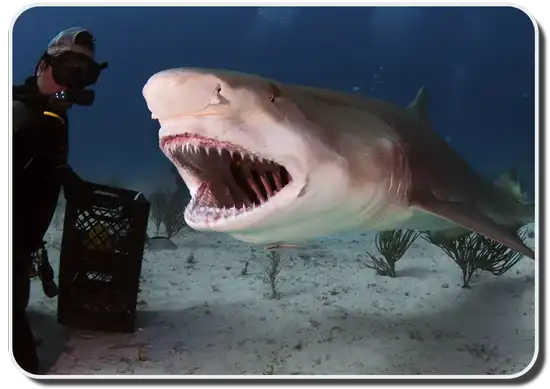
The species behind the entries are not the ones the deep-water list would suggest. Nurse sharks account for 69 entries worldwide and not one fatality, and the pattern in nearly all of them is a hand: they are fed, grabbed, ridden or pulled out of a net. Lemon sharks hold 48 entries with a single fatality, from 1992, and much of the rest of the list comes from baited dives rather than from sharks looking for people.
The pressure the Gulf's sharks are under
Line the Red List statuses above up side by side and the picture is uncomfortable. The blacknose, the bonnethead and the sandbar shark are all Endangered. The great hammerhead is Critically Endangered. The shortfin mako is Endangered. These are not rare deep-sea animals with tiny ranges; they are the common sharks of a heavily fished, heavily trafficked sea.
The reasons are the usual ones and they compound. Small coastal sharks are caught as bycatch in shrimp and gillnet fisheries in the same shallow water their young depend on. Large coastal species mature late and produce few pups, so a population that is fished down takes decades to come back even after the fishing stops. Estuary and seagrass habitat, which is where most Gulf sharks begin, is also where dredging, run-off and coastal development do their damage.
Some of it is recoverable. United States federal management has rebuilt several Atlantic and Gulf shark stocks from very low points, and the sandbar shark's long closure is the clearest example of the approach. What the numbers show is that recovery runs on a timescale set by the animals, not by the fishery — which is the argument laid out in full in why sharks are endangered.
Frequently asked questions
How many shark species live in the Gulf of Mexico?
Published checklists put the figure at around fifty, and it shifts as species are split or newly recorded. The commonly quoted number of 49 comes from one such inventory. What matters more than the count is the split: most of the list is small inshore sharks, with a smaller set of large open-water species in the deep centre.
What is the most common shark in the Gulf of Mexico?
Among the inshore species, the Atlantic sharpnose, blacknose, finetooth and bonnethead sharks are the ones encountered most often, and all of them stay under two metres. Blacktip sharks are abundant seasonally. The larger coastal species — bull, sandbar and lemon sharks — are common but far less numerous.
Are there bull sharks in the Gulf of Mexico?
Yes, and they are the species most associated with it, because they tolerate fresh water and use the river systems that drain into the northern Gulf. The most repeated record is an animal reported at Alton, Illinois, on the Mississippi in 1937, more than 1,700 miles upriver from the sea.
How dangerous is swimming on the Gulf coast?
On the record, very little. Texas, Louisiana, Alabama and Mississippi hold 127 entries between them in our database, 13 of them fatal, and the last of those deaths was in 1962. Since 2000 those four states have produced 61 entries and no fatalities. Florida's Gulf side holds 179 entries against 1,199 for the state.
Are nurse sharks in the Gulf dangerous?
Only when handled. Sixty-nine entries in our database name a nurse shark and none is fatal, but the great majority describe a bitten hand after feeding, grabbing, riding or netting the animal. A nurse shark lying under a ledge will ignore a diver entirely, which is why they are a staple of Gulf and Caribbean dive sites.
How deep is the Gulf of Mexico?
The deepest point is the Sigsbee Deep at 4,384 m, in the middle of the basin. Most of the Gulf is far shallower: it is ringed by one of the broadest continental shelves in the western Atlantic, and that shallow shelf is where nearly all of the shark activity people encounter takes place.
Do whale sharks visit the Gulf of Mexico?
They do, and the northern Gulf holds one of the better-studied aggregations, where large numbers gather to feed on fish spawn near the shelf edge in late summer. They are filter feeders with teeth a few millimetres long, and there is no entry in our database describing a whale shark biting anyone.
Which Gulf sharks are endangered?
Several of the most familiar ones. The blacknose, bonnethead, sandbar and shortfin mako sharks are all listed as Endangered, and the great hammerhead as Critically Endangered. Bycatch in inshore net fisheries, slow reproduction and loss of estuary and seagrass nursery habitat are the pressures behind those listings.
References

A small team focused on researching sharks and making marine biology easy to understand. Every page is reviewed against current species records and the SharkSider attack database, and updated when new incidents or research appear.
Published September 14, 2016 · Last updated September 23, 2026 · Filed under Cool Shark Facts.


